

Dental Sedation in Manchester
- Home
- /
- Treatments
- /
- General Dentistry
- /
- Dental Sedation

If the thought of dental treatment makes you anxious, you are not alone, and you do not have to face it without help. At Cheadle Hulme Dental & Cosmetics we offer dental sedation in Manchester so that treatment can feel calmer and more manageable.
We provide inhalation sedation (nitrous oxide and oxygen, sometimes called “laughing gas”), intravenous (IV) conscious sedation, and oral sedation with diazepam. This is conscious sedation: you are not having a general anaesthetic, and you are not “put to sleep”. Sedation is provided by Dr Nuha Zeiton (GDC 103252) and Dr Majed Kahale (GDC 264361). Consultations with our treatment coordinators are free. Sedation is booked separately, after an assessment, and is not available on the same day.
At a glance
- Inhalation, IV and oral sedation are available, after an assessment.
- You stay conscious and can still talk to us. Once you are comfortable, we still use local anaesthetic to numb the area being treated.
- Consultations with our treatment coordinators are free.
- We are about 15 minutes by train from Manchester city centre, and a two-minute walk from Cheadle Hulme station.
- 0% finance over up to 12 months may be available, subject to status and the usual terms.
Award-winning practice
Looking after nervous patients is a core part of how we work. Verified results include:
- Stockport Business Awards 2026: Innovation Award winner
- Private Dentistry Awards 2024: Practice Principal — North (Dr Shi Karim) and Patient Care — North, winners; highly commended for Treatment of Nervous Patients — North
- The Dentistry Awards 2024: Practice of the Year — North West and Patient Care — North West, winners
- The Dentistry Awards 2022: Team of the Year — UK, winner
The practice is easy to reach from Manchester. We are at 20A Station Road, Cheadle Hulme, SK8 7AB — about 15 minutes by train from Manchester city centre, and a two-minute walk from Cheadle Hulme station.
If you need urgent dental care, we also offer emergency dentist appointments. Sedation is booked separately, after an assessment, and is not available on the same day.
Book a free consultation: call 0161 486 0743, book online, or use our contact form.
Who treats you
Your sedation is planned and provided by a dentist, not by an anonymous clinic service.
Dr Nuha Zeiton is our oral surgeon with a special interest in sedation. She qualified BDS from the University of Manchester in 2006, and holds the MFDS of the Royal College of Surgeons of Edinburgh and the MJDF of the Royal College of Surgeons of England. She provides both inhalation sedation and intravenous conscious sedation, and accepts referrals from other dentists for complex surgical extractions and for IV sedation to help with dental anxiety.
Dr Majed Kahale is a dentist with a special interest in restorative dentistry, dental implants and oral surgery. He graduated BDS from the University of Manchester in 2016, completed an MSc in Restorative Dentistry at the Eastman Dental Institute in London, and completed the Manchester Sedation Course in 2023. He provides inhalation sedation and intravenous sedation for some patients who feel particularly nervous about treatment, including some oral surgery and implant care. You can read more on his team profile.
Sedation is not a GDC specialty, and we do not describe Dr Zeiton or Dr Kahale as specialists. You can check their registration on the GDC register (GDC numbers 103252 and 264361) and read more on their team profiles.
What dental sedation is
Dental sedation is a way of helping you feel relaxed and less anxious while you have treatment. It is a form of conscious sedation.
In plain terms: you are not having a general anaesthetic, and you are not “put to sleep”. You stay conscious, you can breathe on your own, and you can still talk to us and follow simple requests.
Once you are comfortable, we still use local anaesthetic to numb the area being treated. Sedation helps with anxiety and with coping; the local anaesthetic is what prevents pain from the dental work itself.
Is sedation safe?
Dental sedation at our practice is conscious sedation, provided by a dentist, and planned after a medical and dental assessment.
In UK dentistry this is set out in the Intercollegiate Advisory Committee for Sedation in Dentistry (IACSD) Standards for Conscious Sedation in the Provision of Dental Care (2015, updated 2020). Those standards describe conscious sedation as a technique in which a medicine produces a depression of the central nervous system, so that treatment can be carried out, but verbal contact with you is maintained throughout. The medicines and techniques used should carry a margin of safety wide enough to make loss of consciousness unlikely.
Independent clinical guidance is also published by the Scottish Dental Clinical Effectiveness Programme (SDCEP).
For IV sedation, we monitor you throughout, including your breathing, oxygen levels and blood pressure. If you are pregnant, think you might be, or are breastfeeding, please tell us at your assessment. Sedation is not always suitable in pregnancy, and we will advise you honestly. Suitability is always decided after an individual assessment, and sedation is not right for everyone.
Inhalation, IV or oral sedation?
We offer three types. Which one is suitable depends on your health, how anxious you feel, the treatment you need, and what you prefer after a proper assessment. We will not choose a technique until we have talked this through with you.
| Inhalation sedation | IV conscious sedation | Oral sedation | |
|---|---|---|---|
| How it is given | A mixture of nitrous oxide and oxygen, breathed through a small nosepiece. | A small cannula — a thin, flexible tube — is placed in a vein in the back of the hand or in the arm. A sedative medicine is then given through that cannula. | A diazepam tablet, taken before your appointment as we prescribe. |
| How you feel | It often brings on a warm, slightly floaty feeling of wellbeing. You stay awake and able to talk to us. | You typically feel drowsy and deeply relaxed, and many people remember little or nothing of the treatment afterwards, though this is not guaranteed and some memories can be patchy. You remain conscious and able to respond to us. | You stay conscious and able to talk to us. We still use local anaesthetic for the dental treatment itself. |
| Recovery | The effects come on quickly and, once the nosepiece is removed and you have had oxygen, they also wear off relatively quickly. | Recovery takes longer than with inhalation sedation. For 24 hours afterwards you should not drive, cycle, operate machinery, drink alcohol, sign legal documents or make important decisions, or be in charge of other people. | The same aftercare rules apply as after IV sedation, including the 24-hour restrictions. Travel home is usually by car or taxi. |
| Escort needed | For many adults, once we are happy you have recovered, you may not need an escort in the same way as after IV sedation. Children under 16 do need a responsible adult with them, including after inhalation sedation. | A responsible adult escort (over 18) is essential and must take you home and stay with you for the rest of the day. If your appointment is later in the day, your escort may need to stay overnight. If an escort cannot be arranged, IV sedation cannot go ahead. | A responsible adult escort (over 18) must bring you to the appointment and take you home afterwards, and stay with you for the rest of the day (and overnight if you are treated later in the day). If that escort cannot be arranged, oral sedation cannot go ahead. |
| Suitable for children | Yes, after an individual assessment. Children remain awake and able to respond. Children under 16 need a responsible adult escort. | Can also be considered for under-16s in selected cases, after an assessment. Inhalation sedation is often the first option we discuss. An escort is required. | Oral sedation with diazepam is not usually recommended for children. |
Neither type is better in every case. We will explain the options honestly and recommend what we think is safest and most helpful for you.
Inhalation sedation
Inhalation sedation uses a mixture of nitrous oxide and oxygen, breathed through a small nosepiece. It often brings on a warm, slightly floaty feeling of wellbeing. It does not usually involve a needle for the sedative itself, which some people find reassuring if they dislike injections.
The effects come on quickly and, once the nosepiece is removed and you have had oxygen, they also wear off relatively quickly. For many adults that means a shorter recovery and, once we are happy you have recovered, you may not need an escort in the same way as after IV sedation. Children under 16 do need a responsible adult with them, including after inhalation sedation, in line with the IACSD standards.
Inhalation sedation is often considered when anxiety is milder or moderate, or when a needle-free way of relaxing would help. It may not be suitable if you cannot or would rather not breathe through your nose, if a mask feels too enclosed, if you have recently had facial surgery, or if you have a respiratory condition such as COPD.
IV sedation
IV conscious sedation involves a small cannula — a thin, flexible tube — placed in a vein in the back of the hand or in the arm. A sedative medicine is then given through that cannula. You typically feel drowsy and deeply relaxed, and many people remember little or nothing of the treatment afterwards, though this is not guaranteed and some memories can be patchy.
You remain conscious and able to respond to us. Recovery takes longer than with inhalation sedation, and a responsible adult escort is essential. If an escort cannot be arranged, IV sedation cannot go ahead.
IV sedation may be more appropriate when anxiety is more severe, when a longer or more involved procedure is planned — for example some implant treatment — or when inhalation sedation is unlikely to be enough.
Oral sedation
We also offer oral sedation with diazepam. This is a tablet, taken before your appointment as we prescribe. You stay conscious and able to talk to us, and we still use local anaesthetic for the dental treatment itself.
A tablet cannot be adjusted during treatment in the way inhalation or IV sedation can — it is not titratable — so we usually consider oral sedation when those techniques are not suitable.
A responsible adult escort (over 18) must bring you to the appointment and take you home afterwards. If that escort cannot be arranged, oral sedation cannot go ahead. After oral sedation, the same aftercare rules apply as after IV sedation: your escort should stay with you for the rest of the day, and overnight if you are treated later in the day.
For 24 hours you should not drive, cycle, operate machinery, drink alcohol, sign legal documents or make important decisions, or be in charge of other people. Travel home is usually by car or taxi. Oral sedation with diazepam is not usually recommended for children.
Sedation for nervous patients in Manchester
Sedation can help if you:
- feel anxious or fearful about dental treatment, or have put off seeing a dentist for a long time
- have had a difficult or traumatic dental experience in the past
- have a strong gag reflex
- have very sensitive teeth, or have found it hard to get comfortably numb with local anaesthetic alone
- need a longer or more complex procedure and would rather not face it fully alert
- feel very uneasy about injections — inhalation sedation avoids a needle for the sedative itself, and we can talk this through
- have a medical condition that makes it hard to stay still during treatment. Some people in this situation, including some people with Parkinson’s disease, find the relaxation of sedation helpful. Suitability always depends on an individual medical assessment.
You can read more about visiting us when you feel nervous about dental work. Sedation is not the only form of support we offer, and it is not right for everyone. Your health, medicines, the type of treatment and, for inhalation sedation, whether you can breathe comfortably through a nose mask all matter.
Inhalation sedation can also be used for children, after an individual assessment. IV sedation can also be considered for under-16s in selected cases, again after an assessment. Inhalation sedation is often the first option we discuss. Children remain awake and able to respond. We go at a pace that respects their limits, and a parent or responsible adult will need to be involved in consent and, for children under 16, in accompanying them on the day.
What happens, step by step
-
A conversation, then an assessment
Start with a free consultation with one of our treatment coordinators. There is no pressure to book treatment on the day. Tell us what worries you, what treatment you think you need, and whether a dentist has referred you.
We then carry out a clinical assessment. That includes your medical history, any medicines you take, and a discussion of inhalation sedation, IV sedation, oral sedation, and treatment without sedation. You will have time to ask questions, and we will give you written information as well as a clear explanation in person.
Consent is taken before the day of treatment wherever possible, in line with good practice in the IACSD standards. Sedation is then booked in advance. We cannot provide sedation on the same day as a first assessment, and we cannot offer same-day or emergency sedation.
We will also tell you how to prepare. Most patients can have a light meal up to two hours before treatment. Avoid alcohol and heavy meals. We will give you clear written instructions at your assessment, as some people need different advice.
We will also explain whether you need an escort — including, for oral sedation, an escort to the appointment as well as home — and what to bring (a list of your medicines, and any inhalers you use). If oral sedation is planned, we will tell you how to take the prescribed tablet before you attend. If you feel unwell on the day — for example with a cold or flu — please call us, as it may be safer to rearrange.
-
On the day
Wear loose, comfortable clothing. It helps if you avoid heavy make-up, jewellery and nail varnish, as these can get in the way of monitoring.
- For inhalation sedation, a small nosepiece sits on your nose and you breathe the nitrous oxide and oxygen mixture. Once you feel relaxed, we numb the treatment area with local anaesthetic and carry out the dentistry while you remain awake and able to talk to us.
- For IV sedation, a cannula is placed in a vein in your hand or arm. The sedative is given through that cannula — there are no further needles for the sedation itself. We monitor you throughout, including your breathing, oxygen levels and blood pressure. When you are comfortably relaxed, local anaesthetic is used and the dental treatment is carried out. You should still be able to respond to us. When the treatment is finished, the team stays with you while you recover, and the cannula is removed before you leave.
- For oral sedation, you will already have taken the prescribed diazepam tablet before you arrive, and your escort will have come with you. Once we are happy you are comfortably relaxed, we use local anaesthetic and carry out the dentistry while you remain able to talk to us. The team stays with you while you recover.
-
Going home and aftercare, especially after IV or oral sedation
After inhalation sedation, adults often recover relatively quickly once the nosepiece is removed and they have had some oxygen. We will only discharge you once we are satisfied you have recovered. You should not drive or travel home until you feel completely yourself again; we will advise you on the day. Children under 16 must be accompanied by a responsible adult (over 18), including after inhalation sedation, in line with the IACSD standards.
After IV sedation or oral sedation, a responsible adult escort (over 18) must take you home and stay with you for the rest of the day. For oral sedation, that escort must also bring you to the appointment. If your appointment is later in the day, your escort may need to stay overnight. If that escort cannot be confirmed, we will not provide IV or oral sedation.
You will need to rest. For 24 hours afterwards you should not drive, cycle, operate machinery, drink alcohol, sign legal documents or make important decisions, or be in charge of other people. Travel home is usually by car or taxi rather than public transport. We will give you and your escort verbal and written aftercare instructions, including who to contact if you have any concerns.
Your mouth may still be numb for a while after local anaesthetic, so be careful not to bite your lip or cheek. If you have had a cannula, there may be a small bruise on the hand or arm.
What affects the cost
We do not list sedation fees on this page, because the fee depends on your individual plan. The things that usually affect the cost are:
- whether inhalation, IV or oral sedation is used
- how long the appointment needs to be
- the dental treatment being carried out (sedation is in addition to the treatment itself)
- any extra assessment, or a follow-up visit, that your care requires
We will explain the costs at your consultation, in writing, before you decide. If you would like to spread the cost, 0% finance over up to 12 months may be available, subject to status and the usual terms. You can read more on our finance options page, or ask a treatment coordinator when you come in.
Hear from Dr Nuha Zeiton
Reviews from patients
We have around 1,600 Google reviews. These are some of the comments already shown on this page:
I was referred to this practice by my orthodontist as I needed some dental surgery. The practice waiting area and rooms are very nice. As a very nervous patient, I felt comfortable here. All the staff were polite and caring and they answered any queries I had to put my mind at ease. Dr Nuha and the nurse caring for me were calm and professional. They made me feel comfortable with my treatment and I felt more confident due to their care on the day. Thank you
I couldn’t be happier with the treatment and the service I’ve received. I had a new fixed retainer fitted and some gum lasering earlier this year, which was done perfectly. I’ll be returning for bonding very soon, and I can’t wait. The service has been so brilliant, and the new location is lovely. From the receptionists to the dentists themselves, nobody can do enough for you. Thanks so much for being so brilliant!
Great dental practice. I have used them for cosmetic dentistry and found the whole experience great from start to finish. They clearly explained the process and timescales and I am very happy with the results. The hygienist is lovely, very thorough and clearly explains what she is doing. And as well as a great team, the practice building is really well done out.
Real results from our smile gallery
The before-and-after photographs already on this page are kept below. They are smile-gallery cases by Dr Zeiton — home whitening followed by hand-crafted composite edge bonding — and are not presented as sedation cases. You can see more in our smile gallery.
Case 1 — View case
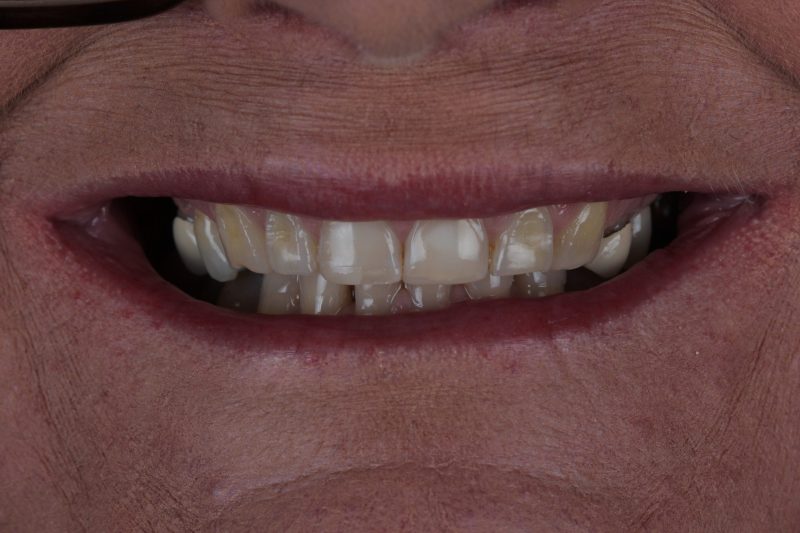
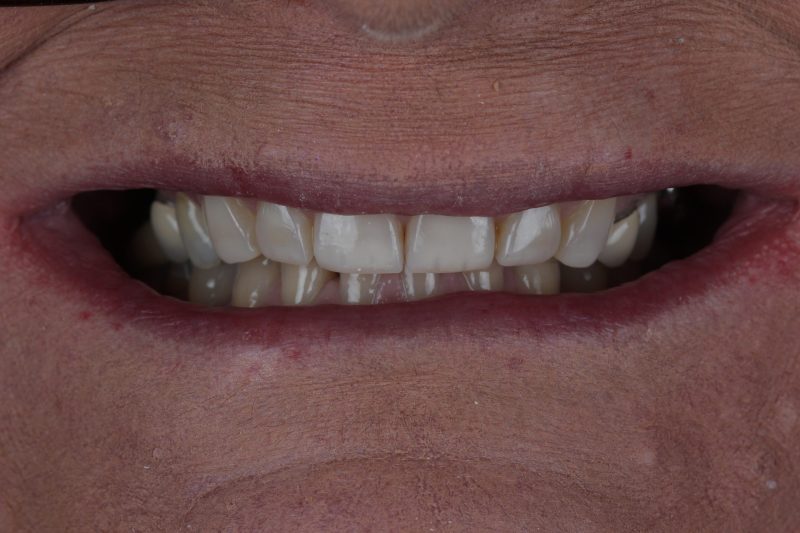
Case 2 — View case
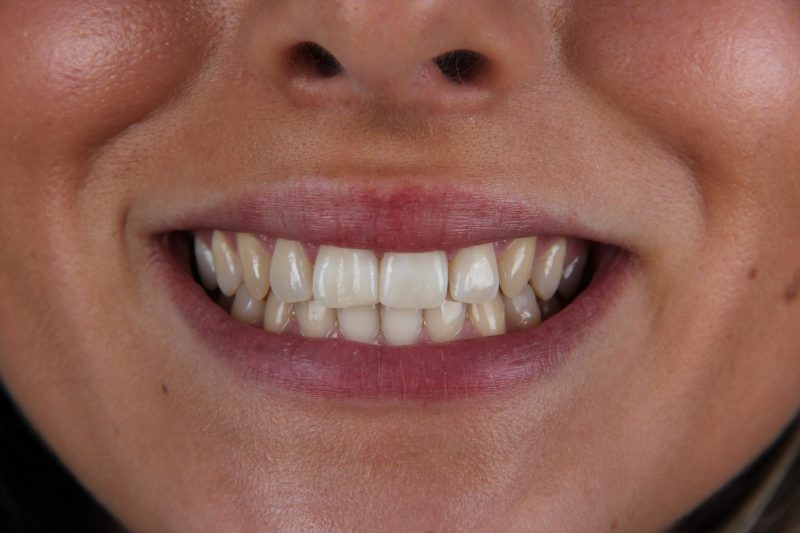
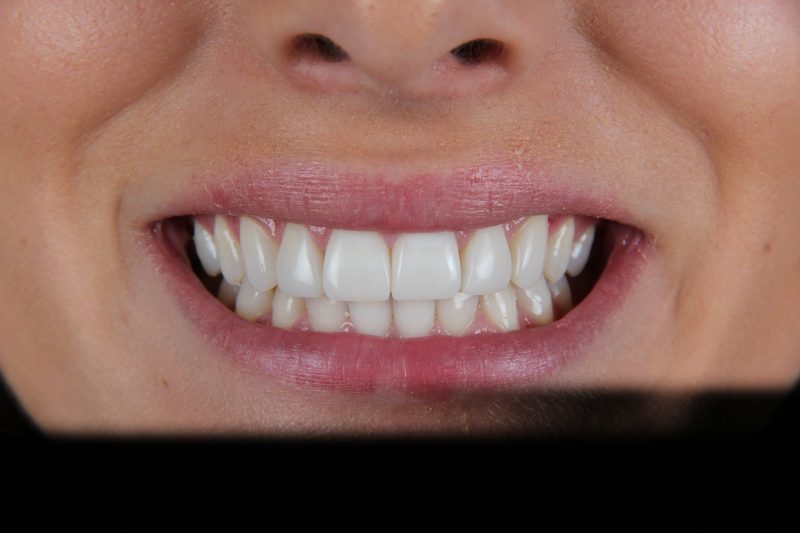
Case 3 — View case
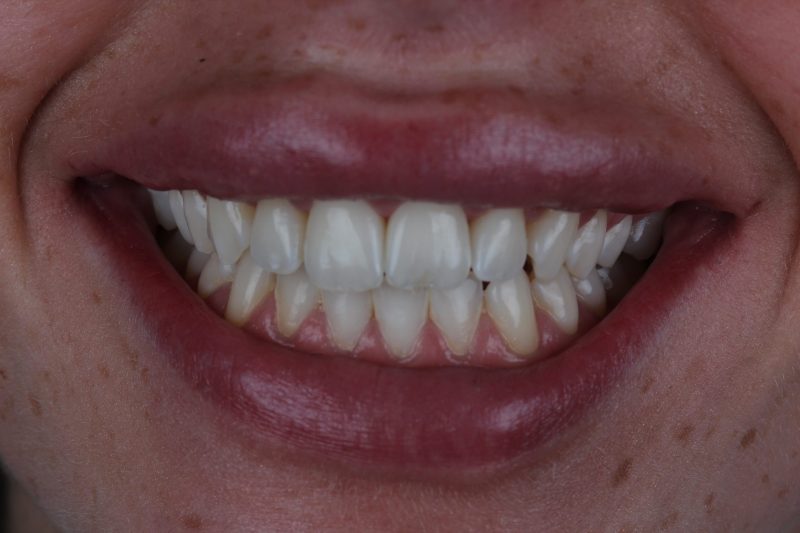
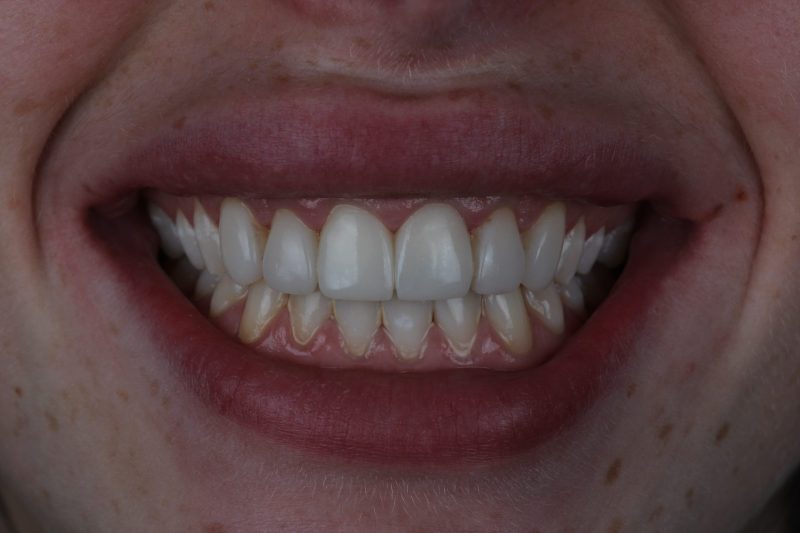
Case 4 — View case
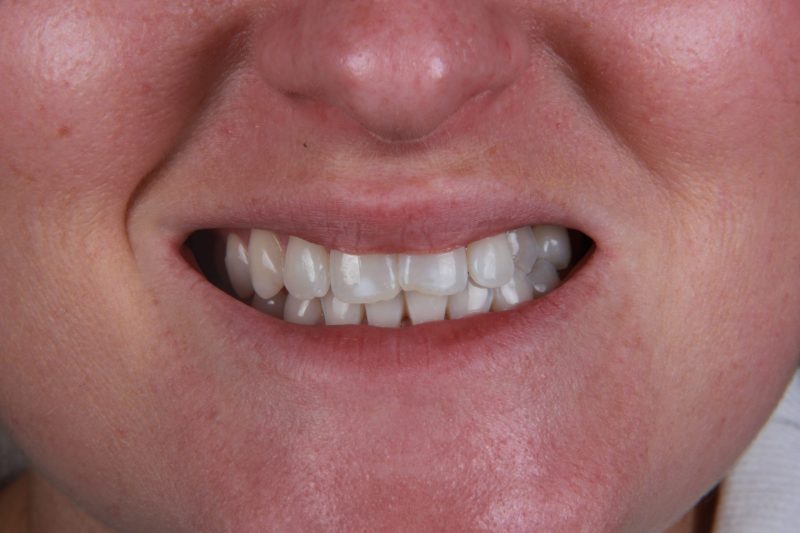
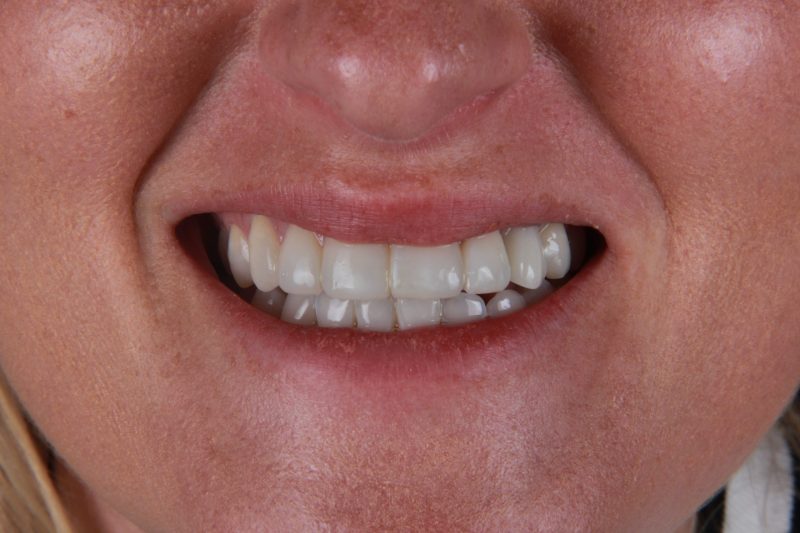
Frequently asked questions
Is sedation right for me?
It may be, if you need dental treatment but feel anxious, dislike needles, have a strong gag reflex, have had a difficult dental experience in the past, or would struggle to sit through treatment in the usual way. Some people also find sedation helpful if their teeth are very sensitive, if they have found local anaesthetic less effective than expected, or if a medical condition makes it hard to stay still. Suitability is always decided after a medical and dental assessment, and sedation is not right for everyone. If you are pregnant, think you might be, or are breastfeeding, please tell us at your assessment.
Is sedation safe?
Dental sedation at our practice is conscious sedation, provided by a dentist after an assessment. You remain conscious and able to talk to us, and the techniques we use follow UK standards for conscious sedation in dentistry, including the IACSD standards. For IV sedation we monitor you throughout, including your breathing, oxygen levels and blood pressure. Sedation is not right for everyone, and we will advise you honestly after we have met you.
What is inhalation sedation?
Inhalation sedation is a mixture of nitrous oxide and oxygen, breathed through a small nosepiece on the nose. It is used to reduce anxiety and help you feel more relaxed and able to cope with treatment. You stay awake and able to talk to us. People often notice a warm, slightly detached feeling of wellbeing. It is sometimes called “laughing gas”, though not everyone feels like laughing.
What is the difference between inhalation, IV and oral sedation?
Inhalation sedation is breathed in through a nosepiece. IV conscious sedation is given through a small cannula in a vein in the hand or arm. Oral sedation is a diazepam tablet, taken before your appointment as prescribed. Inhalation sedation usually wears off more quickly, and many adults do not need the same escort arrangements as after IV or oral sedation. IV sedation typically produces a deeper sense of relaxation and drowsiness, recovery takes longer, and a responsible adult must take you home and stay with you. Oral sedation is not titratable, so it is usually considered when inhalation or IV sedation is not suitable, and you need an escort both to and from the appointment. Which type is appropriate depends on your assessment, not on which one sounds more convenient.
What is oral sedation?
Oral sedation, as we offer it, is a diazepam tablet taken before your appointment as we prescribe. You stay awake and able to talk to us, and we still use local anaesthetic for the dental work. Because a tablet cannot be adjusted during treatment, we usually use it when inhalation or IV sedation is not suitable. A responsible adult must escort you to the practice and home again, and the same 24-hour aftercare rules apply as after IV sedation. Oral sedation with diazepam is not usually recommended for children.
Who is suitable for inhalation sedation?
You may be suitable if your anxiety is mild or moderate, if you can breathe comfortably through your nose, and if you are happy to wear a nosepiece throughout the appointment. If your anxiety is more severe, or if a longer or more involved procedure is planned, we may recommend IV sedation instead. Children can also be assessed for inhalation sedation. We will advise you honestly after we have met you.
Do you feel pain with sedation?
Sedation is used to help you feel calm, not as a replacement for pain control. Once you are relaxed, we still use local anaesthetic to numb the treatment site. You should not expect the dentistry itself to be painful, though you may still notice pressure or movement. If anything is uncomfortable, you can let us know — you remain able to communicate with us.
Which treatments can I have under sedation?
Many types of dental treatment can be carried out with sedation, including fillings, root canal treatment, extractions and implant treatment. If you need urgent dental care, please see our emergency dentist page. Sedation is booked separately, after an assessment, and is not available on the same day.
How will inhalation sedation benefit me?
For people who are suitable, inhalation sedation can reduce anxiety during treatment, help you feel more relaxed, avoid a needle for the sedative itself, and wear off relatively quickly, with little lingering drowsiness for many patients. It can also help settle a strong gag reflex. It will not be the right choice for everyone, and we will explain the limits as well as the benefits.
Can children have inhalation sedation?
Yes, after an individual assessment. Inhalation sedation can help put a child at ease while they remain awake and able to respond. IV sedation can also be considered for under-16s in selected cases after an assessment; inhalation sedation is often the first option we discuss. Oral sedation with diazepam is not usually recommended for children. We take care to respect a child’s limits and to build trust, rather than rushing treatment. A parent or someone with parental responsibility is involved in consent. In line with the IACSD standards, children under 16 need a responsible adult escort for inhalation sedation, and an escort is also required after IV sedation.
Are there any barriers to inhalation sedation?
Because the nitrous oxide is given through a nosepiece, you need to be comfortable breathing through your nose for the appointment. Inhalation sedation may not be suitable if you cannot or would rather not breathe through your nose, if wearing a mask feels too enclosed, if you have recently had facial surgery, or if you have a respiratory condition such as COPD. If you are unwell with a cold or blocked nose, it may be better to rearrange. If you are pregnant, think you might be, or are breastfeeding, please tell us at your assessment, as sedation is not always suitable in pregnancy. We will assess this with you rather than deciding from a list alone.
Will I be put to sleep?
No. The dental sedation we provide is conscious sedation, not a general anaesthetic. You remain conscious and able to talk to us. With IV sedation you may feel very drowsy and remember little afterwards, which is sometimes mistaken for being asleep, but we stay in verbal contact with you throughout.
Do I need someone to take me home?
For IV sedation and oral sedation, yes. A responsible adult (over 18) must take you home and stay with you for the rest of the day. For oral sedation, that escort must also bring you to the appointment. If your appointment is later in the day, your escort may need to stay overnight. If that cannot be arranged, IV or oral sedation cannot go ahead. For 24 hours afterwards you should not drive, cycle, operate machinery, drink alcohol, sign legal documents or make important decisions, or be in charge of other people. After inhalation sedation, many adults recover quickly and may not need the same escort, but we will only discharge you when we are happy you have recovered, and we will advise you about driving. Children under 16 need an escort even after inhalation sedation.
Do you have a sedation dentist in Manchester?
Yes. Dental sedation in Manchester at Cheadle Hulme Dental & Cosmetics is planned and provided by a dentist. Dr Nuha Zeiton is our oral surgeon with a special interest in sedation, and Dr Majed Kahale also provides inhalation and IV sedation. The practice is easy to reach from Manchester city centre — about 15 minutes by train, and a two-minute walk from Cheadle Hulme station.
Book a free consultation
If you would like to talk about dental sedation in Manchester, please get in touch. Consultations with our treatment coordinators are free. 0% finance over up to 12 months may be available, subject to status and the usual terms.
- Call 0161 486 0743
- Book online
- Use our contact form
- Ask about our new patient welcome offer
- Read more about 0% finance options
If you are a dentist and would like to refer a patient, we welcome referrals, particularly for periodontics, sedation, orthodontics and implants. Please use our referral form.
Cheadle Hulme Dental & Cosmetics, 20A Station Road, Cheadle Hulme, SK8 7AB. Easy to reach from Manchester: about 15 minutes by train from the city centre, and a two-minute walk from Cheadle Hulme station.
Confident smiles, real results
Explore real patient transformations and see the beautiful results our treatments can achieve.
View smile galleryFrequently asked questions
Is sedation right for me?
Any person who is in need of dental treatment, either for health or cosmetic purposes, but has anxiety and fear about undergoing treatment, or has an extreme fear of needles, is likely to benefit from sedation dentistry.
People who have painful, extremely sensitive teeth or problems with a local anaesthetic may find it difficult to cooperate with the dentist during dental treatment. These patients can be made to feel more relaxed with sedation.
Anyone who has had a frightening or traumatic previous dental experience may be nervous about getting back into the dental chair. Sedation can help to overcome this. In addition, patients with a severe gag reflex or people who suffer from medical conditions that render them unable to control their bodily movements, such as Parkinson’s disease, can benefit from the physical relaxation of sedation.
What is inhalation sedation?
Nitrous oxide-based inhalation sedation can help unlock the confidence anxious and dental phobic patients need for undergoing dental treatment. It is a method of sedation administered through a nose mask and induces powerful feelings of wellbeing in patients.
What’s the difference between inhalation sedation and IV (intravenous) sedation?
Whilst inhalation sedation is administered using a mask, IV sedation involves administering sedation through a needle on the back of the hand, or in the arm.
Who is suitable for inhalation sedation?
You may be suitable for inhalation sedation if you have minor or moderate levels of anxiety prior to a dental procedure. In cases where dental anxiety is severe, your dentist is more likely to recommend IV (intravenous) sedation using a sedative.
Do you feel pain with inhalation sedation?
This method of sedation will induce a warm feeling of wellbeing and reduce inhibitions and nerves you might normally have when considering undergoing dental treatment. Your dentist will administer local anaesthetic to numb the treatment site once the sedation has taken full effect.
Which treatments can I have under inhalation sedation?
- This type of sedation is compatible alongside virtually any dental procedure. Some of the most common include:
- Fillings
- Root canal therapy.
- Extractions
How will inhalation sedation benefit me?
- Reduces anxiety for the duration of a dental procedure.
- Feel more relaxed throughout a dental procedure.
- Needleless administration method.
- Minimal downtime.
- No lingering effect post-treatment (no grogginess or ‘hangover’ sensation).
- Reduces gag reflex in patients.
Can children have inhalation sedation?
We understand that there can be huge barriers for children when it comes to visiting the dentist for a procedure. Inhalation sedation is an excellent means of putting your child at ease and allows them to remain fully awake and responsive.
Our practice environment is calm and welcoming, and our dentists will always be respectful of your child’s limitations and boundaries. This, couple with inhalation sedation, can make a huge difference to your child’s future perspective on dentist visits as an adult. For this reason, we place significant emphasis on using formative years at the dentist to build your child’s confidence and trust in caring dental professionals such as ourselves here at Cheadle Hulme
Are there any barriers to inhalation sedation?
As the nitrous oxide is administered through a mask, patients will need to be comfortable wearing breathing through a nose mask throughout their procedure. Therefore, inhalation sedation may not be suitable for patients who:
- Are not able or willing to breathe through their nose.
- May feel claustrophobic wearing a mask for more than a few minutes.
- Have recently undergone facial surgery.
- Suffer from respiratory conditions like COPD.

Treatments
Taking your smile in a positive direction
When it comes to a friendly, caring, and professional dentist in Cheadle Hulme, you won’t find better than Cheadle Hulme Dental and Cosmetics. Why not book an appointment by contacting us directly at 0161 486 0743? We look forward to welcoming you.


Tour our practice