

03 February 2026
Single Tooth Dental Implants vs Multiple Implants: What’s the Difference?
Losing one tooth can feel just as unsettling as losing several. Whether it’s due to injury, decay, or long-standing dental issues, tooth loss can affect how you eat, speak, and smile with confidence.
One of the most common questions patients ask is whether they need a single tooth dental implant or multiple dental implants — and what the difference really is.
If you’re exploring Dental implants Manchester, this guide breaks things down in a clear, reassuring way to help you understand your options and feel confident taking the next step.
What Is a Dental Implant?
A dental implant is a small titanium post that is placed into the jawbone to replace the root of a missing tooth. Over time, the bone naturally bonds with the implant, creating a stable foundation for a crown, bridge, or denture.
Dental implants are widely used because they:
- Help restore normal chewing and speech.
- Support the jawbone and surrounding teeth.
- Look and feel similar to natural teeth.
What Is a Single Tooth Dental Implant?
A single tooth implant is used when just one tooth is missing, and the surrounding teeth are healthy.
What does it involve?
- One implant is placed in the jaw.
- One custom-made crown is attached on top.
- No impact on neighbouring teeth.
This option is often chosen by patients who want a long-term solution without altering adjacent teeth, as can happen with traditional bridges.
“For many patients, replacing a single missing tooth with an implant helps maintain the natural balance of the smile while protecting the surrounding teeth,” explains one of our clinicians at Cheadle Hulme Dental Practice.
What Are Multiple Dental Implants?
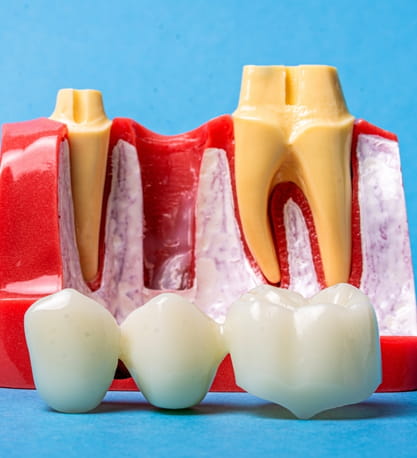
Multiple dental implants are used when two or more teeth are missing. Depending on the situation, implants may support:
- Individual crowns.
- A fixed bridge.
- A full or partial implant-retained denture.
Importantly, not every missing tooth needs its own implant. For example, two implants can sometimes support a bridge replacing three or four teeth.
Why do patients consider multiple implants?
- Improved stability compared to removable dentures.
- Better distribution of biting forces.
- A more secure, natural-feeling result.
Key Differences at a Glance
| Single Tooth Implant | Multiple Implants |
| Replaces one missing tooth. | Replaces several missing teeth. |
| One implant, one crown. | Implants may support crowns or bridges. |
| Preserves nearby teeth. | Can restore larger areas of the smile. |
| Often, shorter treatment planning. | More tailored planning is required. |
Both options aim to restore function and confidence — the right choice depends on your oral health, bone levels, and long-term goals.
Which Option Is Right for You?
There’s no one-size-fits-all answer. An implant dentist in Manchester will usually assess:
- The number and position of missing teeth.
- Jawbone health and density.
- Gum condition.
- Bite alignment.
- General health and lifestyle factors.
“Every implant treatment is planned individually. What works well for one patient may not be suitable for another, which is why a detailed consultation is so important,” shares a dentist at Cheadle Hulme Dental Practice.
Benefits Shared by Both Options
Whether single or multiple, Dental implants offer several long-term advantages:
- Support jawbone health and help reduce bone loss.
- Improve comfort compared to removable options.
- Make eating and speaking feel more natural.
- Help maintain facial structure.
Research published in the Journal of Oral Implantology shows dental implants have high long-term success rates when properly planned and maintained.
Are Dental Implants Safe?
Dental implants are considered a well-established treatment with a strong evidence base. According to the Cochrane Oral Health Group, implant-supported restorations are a reliable option for replacing missing teeth.
Caring for Dental Implants
Implants don’t decay, but they still require good daily care:
- Brush twice daily with a fluoride toothpaste.
- Clean between teeth or implants carefully.
- Attend regular dental check-ups and hygiene visits.
Looking after implants is very similar to caring for natural teeth — consistency is key.
Considering Dental Implants in Manchester?
If you’re thinking about Dental implants Manchester, a consultation allows you to explore whether a single tooth implant or multiple implants may suit your needs. At Cheadle Hulme Dental Practice, implant care is approached thoughtfully, with clear explanations and a focus on patient comfort.
If you’d like to talk through your options with a trusted private dentist in Manchester, booking a consultation is a positive first move towards restoring your smile.
Get in touch today to arrange your implant consultation and find out what could work for you.
Treatments
Taking your smile in a positive direction
When it comes to a friendly, caring, and professional dentist in Cheadle Hulme, you won’t find better than Cheadle Hulme Dental and Cosmetics. Why not book an appointment by contacting us directly at 0161 486 0743? We look forward to welcoming you.


Tour our practice