

19 February 2026
How Safe Are Dental Implants? Risks, Benefits, and Success Rates
Missing teeth can affect your confidence, smile, and even your ability to eat comfortably. Dental implants are a long-term solution for replacing missing teeth, but it’s natural to wonder: how safe are they, and what should I expect? In this article, we’ll explore the risks, benefits, and success rates of dental implants, helping you make an informed decision.
At Cheadle Hulme Dental Practice, our goal is to provide clear, evidence-based guidance so patients can feel confident about their oral health choices.
What Are Dental Implants?
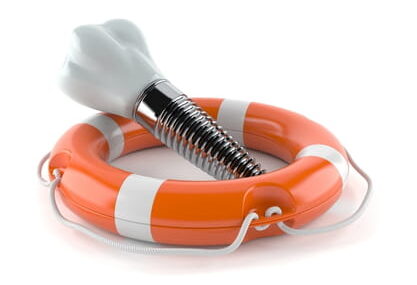
Dental implants are small titanium posts that are placed into the jawbone to act as a stable foundation for replacement teeth. Once integrated with the bone, they support crowns, bridges, or dentures, restoring both function and appearance.
Dr Shi Karim, a dentist at Cheadle Hulme Dental Practice, explains, “Dental implants are designed to feel and function like natural teeth. With proper care, they can last many years and help patients regain confidence in their smile.”
Benefits of Dental Implants
Dental implants offer several advantages compared to other tooth replacement options:
- Improved function: Eat, speak, and smile comfortably.
- Stability: Implants stay securely in place, unlike removable dentures.
- Bone preservation: Implants can help prevent jawbone shrinkage that occurs after tooth loss.
- Natural appearance: Crowns and bridges are customised to match surrounding teeth.
- Long-term solution: With good oral hygiene, implants can last many years.
Are Dental Implants Safe?
Dental implants are considered a safe procedure for most patients when carried out by a qualified dentist in a well-equipped practice. Success rates are generally high — recent studies suggest 90–95% of implants integrate successfully over 10 years.
However, like any procedure, dental implants carry some risks:
- Infection: Rare but possible if post-operative care is not followed.
- Nerve or sinus issues: Uncommon and usually temporary.
- Implant failure: May occur if the implant does not integrate with the bone, especially in patients with certain medical conditions or smokers.
- Gum or bone complications: Proper planning and maintenance reduce these risks.
Dr Shi Karim also mentions, “We always carry out a thorough assessment before recommending implants, including reviewing your medical history and oral health. This helps us identify any factors that could affect success.”
Who Can Have Dental Implants?
Most healthy adults who have lost one or more teeth are potential candidates for dental implants. Your dentist will consider:
- Jawbone density and volume.
- Gum health.
- Overall medical history.
- Lifestyle factors, including smoking and oral hygiene.
Some patients may require preparatory treatments, such as bone grafting, to ensure the implant has a stable foundation.
Success Rates and Long-Term Outlook
Dental implants have a strong track record for long-term success. According to research, implants have:
- A 5-year survival rate of 95–98%.
- A 10-year survival rate of 90–95% (Pjetursson et al., 2018).
Maintaining good oral hygiene, attending regular dental check-ups, and following your dentist’s advice are crucial for longevity.
Tip: Use interdental brushes, floss, and mouthwash to keep the area around implants clean.
Making the Decision
Choosing dental implants in Manchester is a personal decision, and understanding the potential benefits and risks helps you make an informed choice. At Cheadle Hulme Dental Practice, we encourage patients to ask questions, discuss concerns, and explore all available options.
If you’re considering dental implants or want to know if you are suitable, booking a consultation with a dentist in Manchester is the first step. You’ll receive a tailored treatment plan that suits your needs, lifestyle, and budget.
Key Takeaways
- Dental implants are a safe and effective way to replace missing teeth.
- Success rates are high when proper planning and aftercare are followed.
- Understanding potential risks helps patients make informed decisions.
Regular maintenance is essential for long-term implant health.
Treatments
Taking your smile in a positive direction
When it comes to a friendly, caring, and professional dentist in Cheadle Hulme, you won’t find better than Cheadle Hulme Dental and Cosmetics. Why not book an appointment by contacting us directly at 0161 486 0743? We look forward to welcoming you.


Tour our practice